

Hometown Horror: Guthrie, OK
At noon on April 22, 1889, cannons fired.
Thousands surged forward on horseback, by wagon, on foot — racing to stake claims in what would become Oklahoma Territory. By nightfall, a tent city had erupted from open prairie. Within days, Guthrie transformed from empty land into a boomtown pulsing with speculation, greed, and desperation.
Land runs create winners.
They also create ghosts.
Guthrie quickly became the territorial capital. Saloons multiplied. Outlaws drifted in and out. Disputes over claims turned violent. Records show shootings, contested property lines, and “sooners” who cheated the starting line. The city’s Victorian brick buildings still stand — ornate, preserved, and heavy with the energy of something built too fast.
Today, visitors to historic downtown Guthrie report footsteps echoing in empty storefronts, doors opening in still air, and figures glimpsed in second-story windows long after businesses close. Some attribute it to classic Old West lore. Others point to the psychological residue of a city born in a single, frenzied afternoon.
Boomtowns burn bright.
Guthrie didn’t burn.
It hardened.
And sometimes hardened places don’t forget how they were formed.
-Frank
Come back next Wednesday for a new city and a new haunted location. The map expands weekly.
Have a hometown with a story that lingers? Comment your city for a chance to have it featured — and you’ll be entered to win a Hometown Horror T-shirt when we cover it.
Hometown Horror: San Francisco, CA
San Francisco woke up to the end of itself on April 18, 1906.
At 5:12 a.m., the earth ruptured along the San Andreas Fault. Buildings folded. Streets split. Gas lines ignited. Fires raged for three days. By the time the smoke cleared, much of the city was ash.
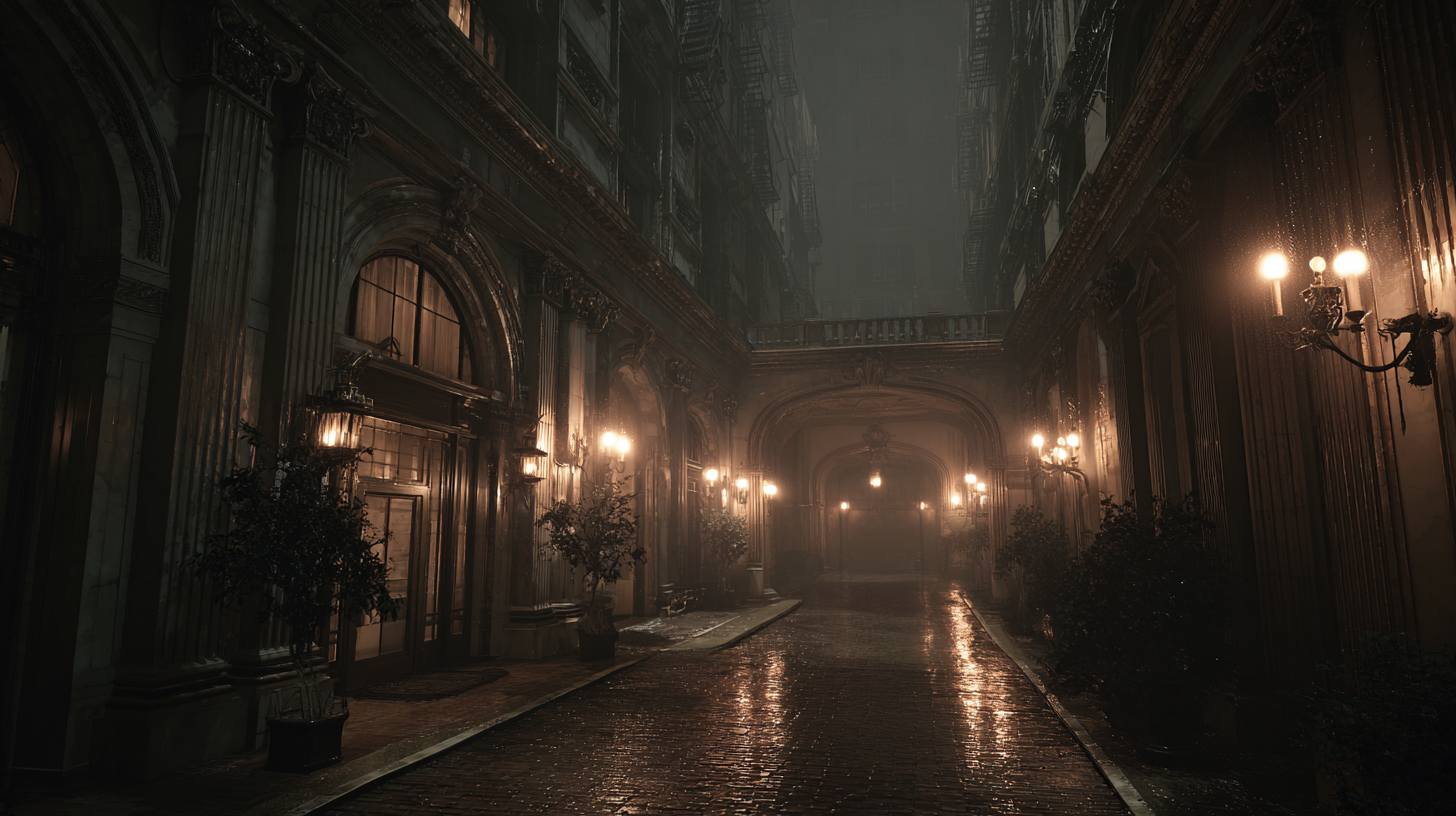
The Palace Hotel survived — barely. Rebuilt after the quake and fires, it has hosted presidents, royalty, and industry titans. It has also carried rumors for more than a century. Staff and guests have described doors unlocking on their own, chandeliers swaying without tremor, and a well-dressed man in early 20th-century attire walking the corridors before vanishing at a turn.
Some stories point to Room 501, tied in legend to financier William “King of the Comstock” Ralston, who drowned under mysterious circumstances in 1875 after the bank collapse that financially ruined him. Whether Ralston truly lingers or not, the hotel feels like a place layered in endings.
Earthquakes are violent but brief.
It’s what comes after — rebuilding over loss, polishing over ruin — that settles into the foundation.
In San Francisco, some foundations still hum.
-Frank
Come back next Wednesday for a new city and a new haunted location. The map expands weekly.
Have a hometown with a story that refuses to settle? Comment your city for a chance to have it featured — and you’ll be entered to win a Hometown Horror T-shirt when we cover it.
Hometown Horror: Washington, DC
Washington is built on ceremony.
On April 14, 1865, ceremony became rupture.
President Abraham Lincoln was shot at Ford’s Theatre during a performance of Our American Cousin. He was carried across Tenth Street to the Petersen House, where he died the following morning — April 15. The war had effectively ended days earlier. The country was exhaling.
Then it stopped.
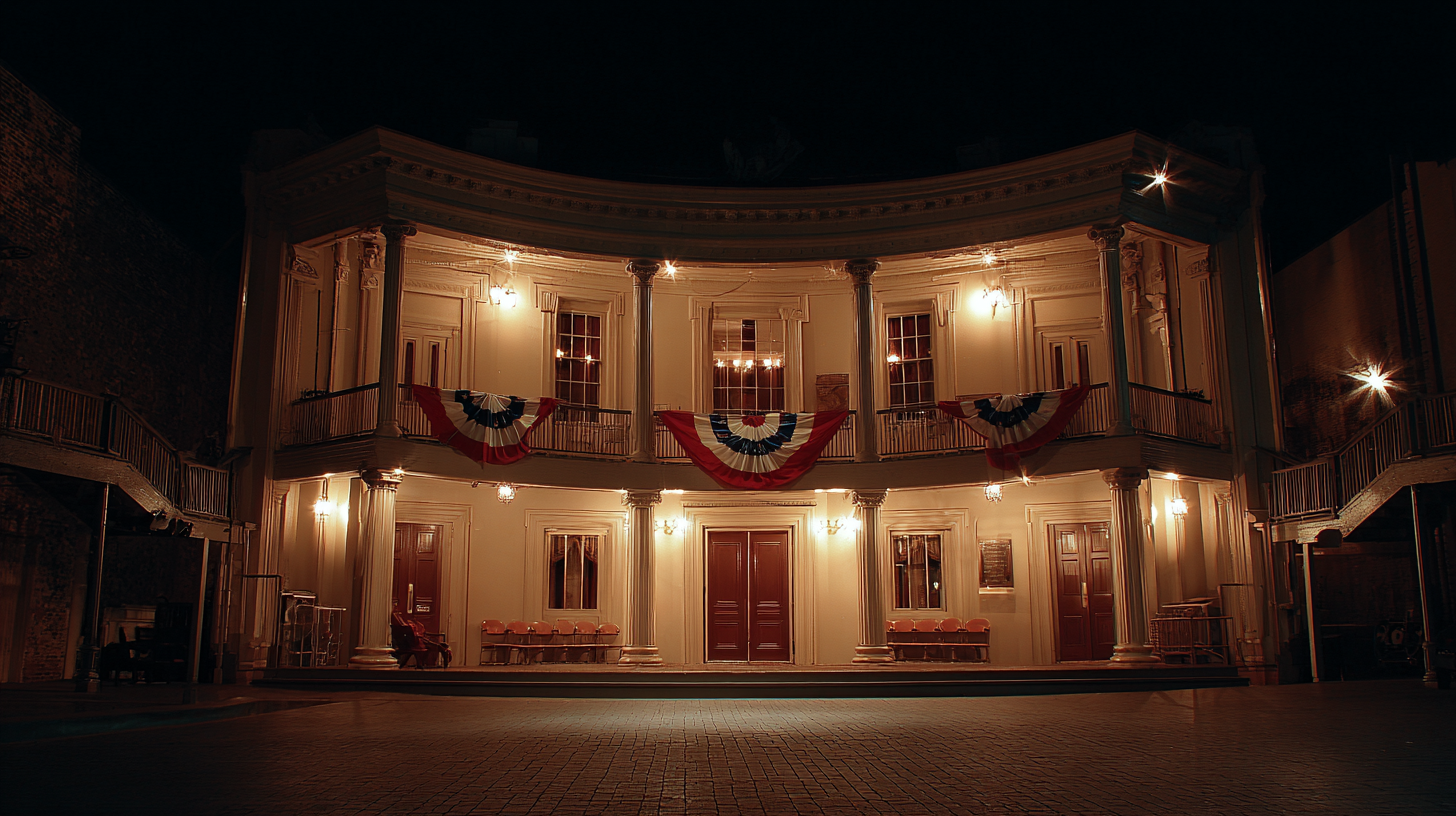
Ford’s Theatre still operates today. Performances continue under ornate ceilings and velvet curtains. The presidential box remains draped in flags. Visitors report an atmosphere that shifts near it — a heaviness not present elsewhere in the building. Staff have described footsteps when the theater is empty. Some claim to have seen a tall figure in black seated alone in the balcony.
Across the street, the small bedroom in the Petersen House remains preserved. The bed Lincoln died in was too small; he lay diagonally across it. Visitors often describe the room as unnaturally quiet, as though sound itself hesitates there.
Assassinations fracture more than politics. They fracture space.
And in Washington, some of that fracture still feels open.
-Frank
Come back next Wednesday for a new city and a new haunted location. The map expands weekly.
Have a hometown with a story that lingers? Comment your city for a chance to have it featured — and you’ll be entered to win a Hometown Horror T-shirt when we cover it.
Hometown Horror: Charleston, SC
Old Charleston Jail
Charleston is beautiful in the way old wounds can be beautiful. Polished. Preserved. Framed in pastel.
But beauty doesn’t mean peace.
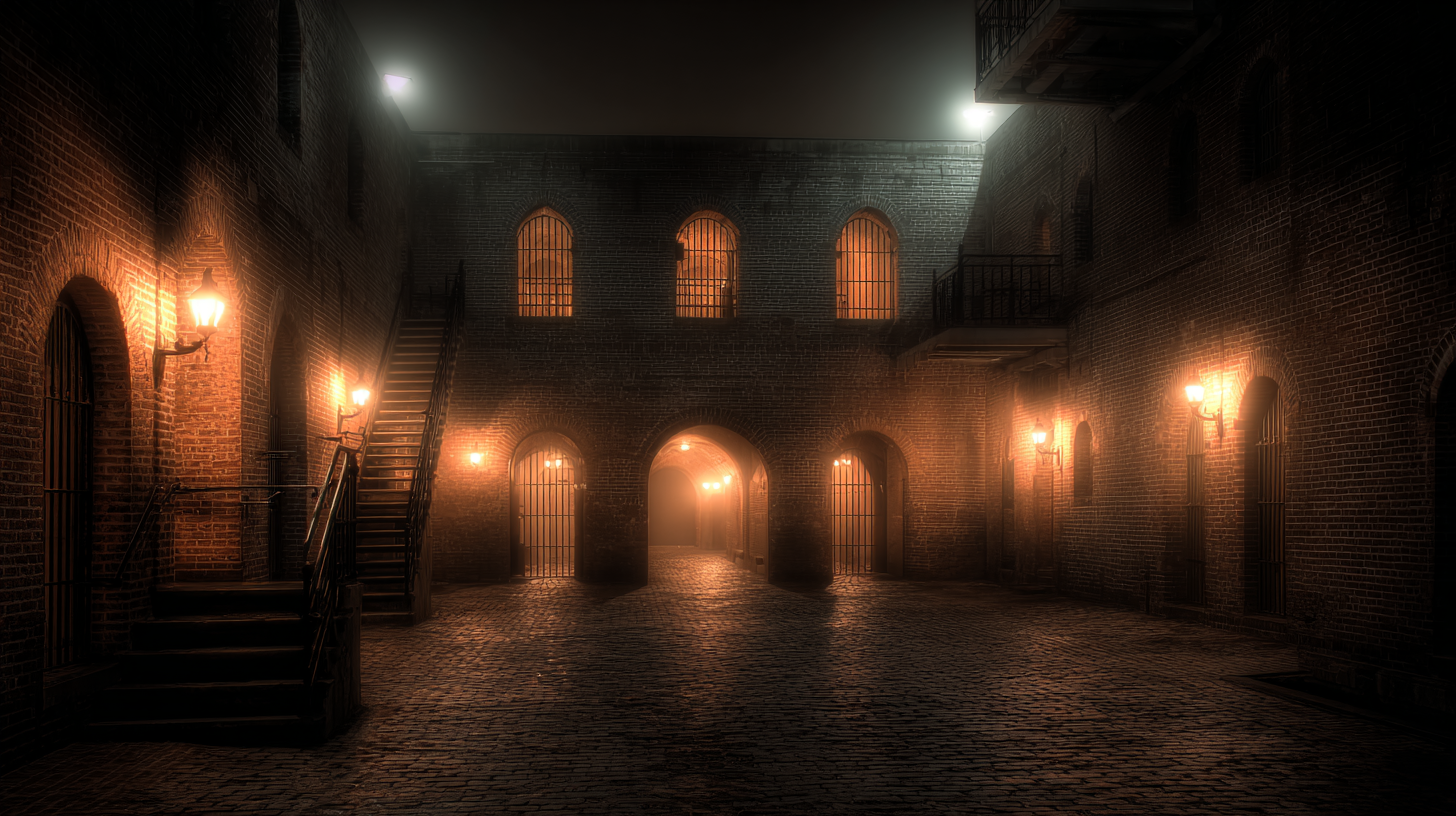
The Old Charleston Jail — constructed in 1802 and expanded in 1855 — housed pirates, Civil War prisoners, and some of the city’s most notorious criminals. During the Civil War, Union prisoners were kept there under brutal conditions. Executions were carried out on the grounds. Disease spread easily through its cramped stone corridors.
History books record the names.
The building records the rest.
Visitors report shadow figures standing motionless at the ends of hallways. Sudden temperature drops in sealed rooms. Disembodied whispers in cells that once held the condemned. Some tours claim the spirit of Lavinia Fisher — often called America’s first female serial killer — still lingers near the upper levels, though historians debate the legend.
Just days after April 12 each year, Charleston remembers the first shots of the Civil War fired at nearby Fort Sumter in 1861. Cannons echoed across the harbor. The war began. And in the jail, the population swelled.
Conflict leaves marks.
In Charleston, some of those marks still pace behind iron bars.
-Frank
Come back next Wednesday for a new city and a new haunted location. The map expands weekly.
Have a hometown with a story that refuses to fade? Comment your city for a chance to have it featured — and you’ll be entered to win a Hometown Horror T-shirt when we cover it.
Hometown Horror: Raccoon City
Some cities decline slowly.
Raccoon City collapsed in a weekend.
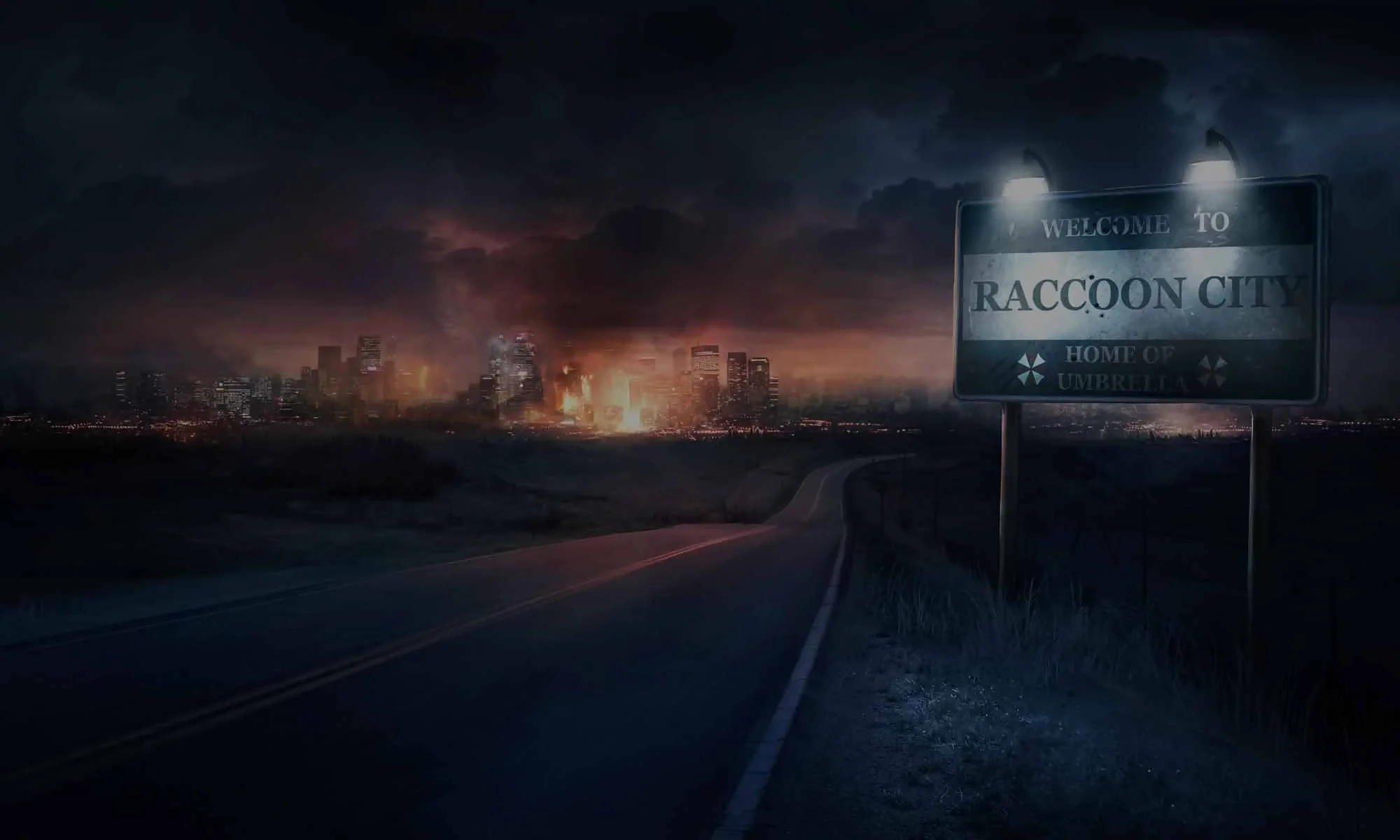
Tucked somewhere in the American Midwest — depending on which record you consult — the city was once a quiet industrial hub with a growing biotech presence. Umbrella Corporation facilities promised innovation, jobs, and prosperity. What followed was described officially as a “viral outbreak,” then a containment failure, then a necessary sterilization event.
Eyewitness accounts from the late 1990s describe empty streets lit only by flickering neon, abandoned police barricades, and civilians wandering in states that defied medical explanation. The Raccoon City Police Department became a last stand for a handful of officers. Hospitals filled. Sirens echoed long after emergency services stopped responding.
And then, the city was erased.
Satellite imagery from that period shows a blast radius where downtown once stood. Official statements cite “containment of a biological hazard.” Survivors describe something else: figures moving through smoke long after evacuation orders were issued. Doors clawed from the inside. A corporation that knew more than it admitted.
Unlike most cities we cover, Raccoon City doesn’t just feel haunted. It feels suppressed.
No tourism board. No commemorative plaque. Just rumors, redacted files, and a skyline that no longer exists.
Some buildings remember.
Some cities are made to be forgotten.
-Frank
Come back next Wednesday for a new city and a new haunted location. The map expands weekly.
Have a hometown with a story that won’t stay buried? Comment your city for a chance to have it featured — and you’ll be entered to win a Hometown Horror T-shirt when we cover it.

Hometown Horror: New York, NY
Brown Building
(Former site of the Triangle Shirtwaist Factory)
New York builds upward.
But some stories stay trapped inside the walls.
On March 25, 1911, a fire broke out on the upper floors of the Asch Building in Greenwich Village, home to the Triangle Shirtwaist Factory. Within minutes, flames cut off escape routes. Exit doors were locked. Fire ladders failed to reach high enough. Workers—mostly young immigrant women—were forced to choose between smoke and the street below.
One hundred forty-six people died.
The building still stands at the corner of Washington Place and Greene Street, now known as the Brown Building and owned by New York University. Students move through its halls daily. Classes are held where sewing machines once lined the floors.
Yet visitors and staff have long reported unexplained sensations: the faint smell of smoke, doors that won’t open when they should, figures seen in upper windows late at night. Every March 25th, crowds gather to commemorate the dead. Flowers are placed. Names are read aloud. And for a moment, the building feels less like architecture and more like witness.
The Triangle fire reshaped labor law in America. It forced safety reforms. It exposed cruelty disguised as efficiency.
But buildings do not reform.
They remember.
-Frank
Come back next Wednesday for a new city and a new haunted location. The map expands weekly.
Have a hometown with a story that refuses to fade? Comment your city for a chance to have it featured — and you’ll be entered to win a Hometown Horror T-shirt when we cover it.

Hometown Horror: Savannah, GA
The Sorrel-Weed House
Savannah doesn’t feel haunted.
It feels watched.
On Madison Square, framed by oak trees heavy with Spanish moss, stands the Sorrel-Weed House — a Greek Revival mansion built in the 1840s by merchant Francis Sorrel. Its symmetry is elegant. Its balconies theatrical. Its history… less refined.
Legend holds that Molly Sorrel, Francis’s wife, threw herself from a second-story balcony after discovering her husband’s affair with an enslaved woman named Matilda. Soon after, Matilda was found dead — allegedly by hanging — though the details blur between documented history and inherited rumor. What remains consistent is that tragedy rooted itself inside the house and never fully loosened its grip.
Modern staff and investigators report cold spots that move against the air, doors that open with deliberate timing, and figures standing in the upper windows after closing hours. Paranormal teams have captured EVPs and shadow anomalies in the basement and carriage house. Some visitors describe a feminine presence that feels less violent than sorrowful — not rage, but residue.
Savannah markets itself as America’s Most Haunted City. That’s branding.
The Sorrel-Weed House doesn’t need branding. It has architecture and aftermath.
And sometimes that’s enough.
-Frank
Come back next Wednesday for a new city and a new haunted location. The map expands weekly.
Have a hometown with a story that lingers? Comment your city for a chance to have it featured — and you’ll be entered to win a Hometown Horror T-shirt when we cover it.
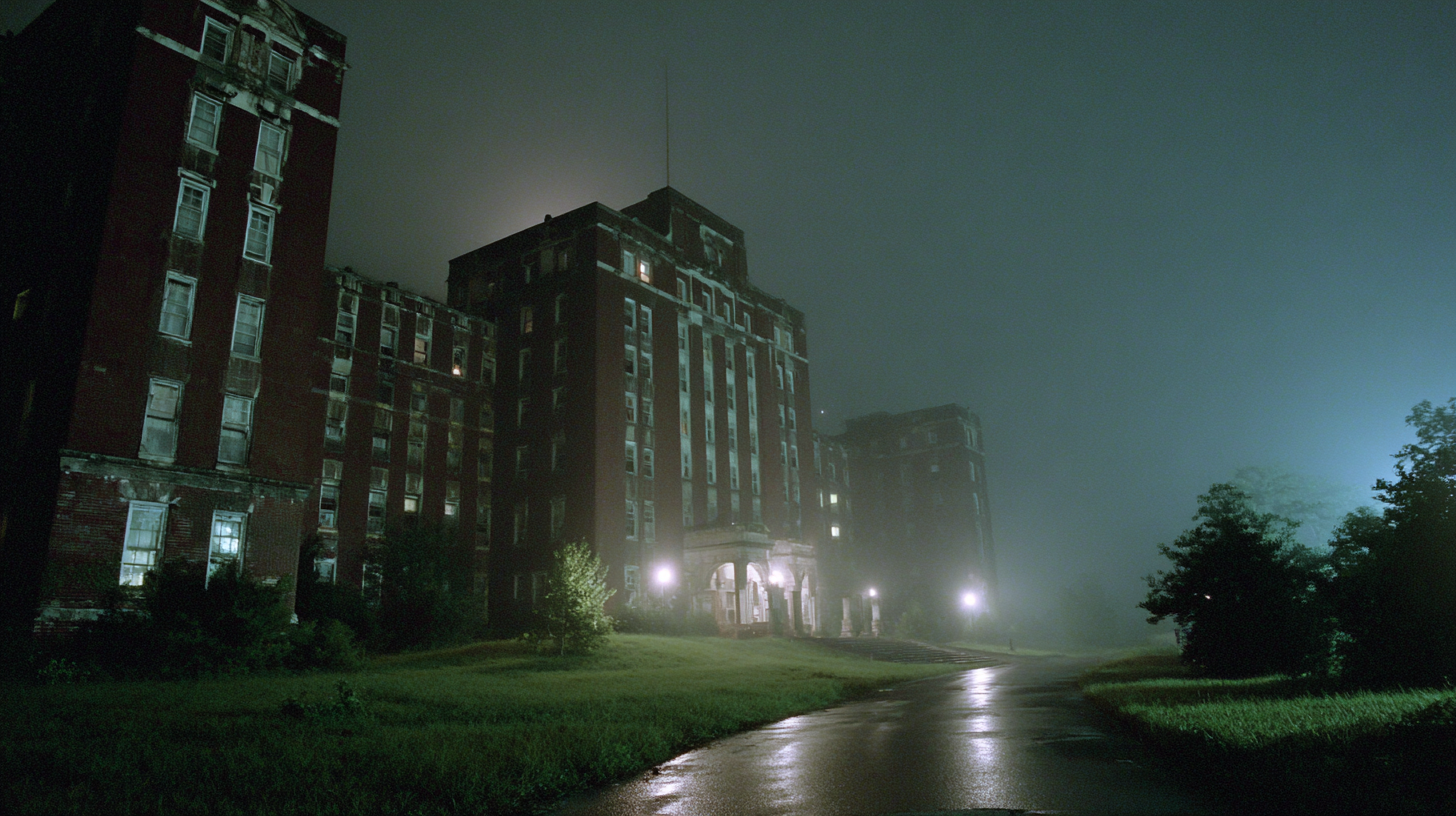
Hometown Horror: Louisville, KY
There are buildings that treated illness.
And then there are buildings that absorbed it.
Perched on a hill overlooking Louisville, Waverly Hills Sanatorium opened in 1910 and expanded in 1926 to combat one of America’s deadliest epidemics: tuberculosis. At its peak, thousands passed through its doors seeking isolation, fresh air, and a chance at survival. Many never left.
Before antibiotics changed the course of the disease, tuberculosis was slow and merciless. Patients were subjected to experimental procedures—some hopeful, some desperate. Mortality rates were high. Bodies were quietly transported down a long underground tunnel—nicknamed the “body chute”—to avoid crushing morale among the living. The logistics were clinical.
The aftermath is not.
Visitors and investigators have reported shadow figures moving down empty corridors, children’s laughter echoing from abandoned rooms, doors slamming without wind, and a presence known simply as “Tim” who allegedly interacts with guests in Room 502. Whether folklore inflated over time or something more persistent, Waverly has become one of the most investigated paranormal locations in America.
Hospitals are meant to heal.
This one remembers when it couldn’t.
-Frank
Come back next Wednesday for a new city and a new haunted location. The map grows every week.
Have a hometown with a story that won’t stay buried? Comment your city for a chance to have it featured — and you’ll be entered to win a Hometown Horror T-shirt when we cover it.
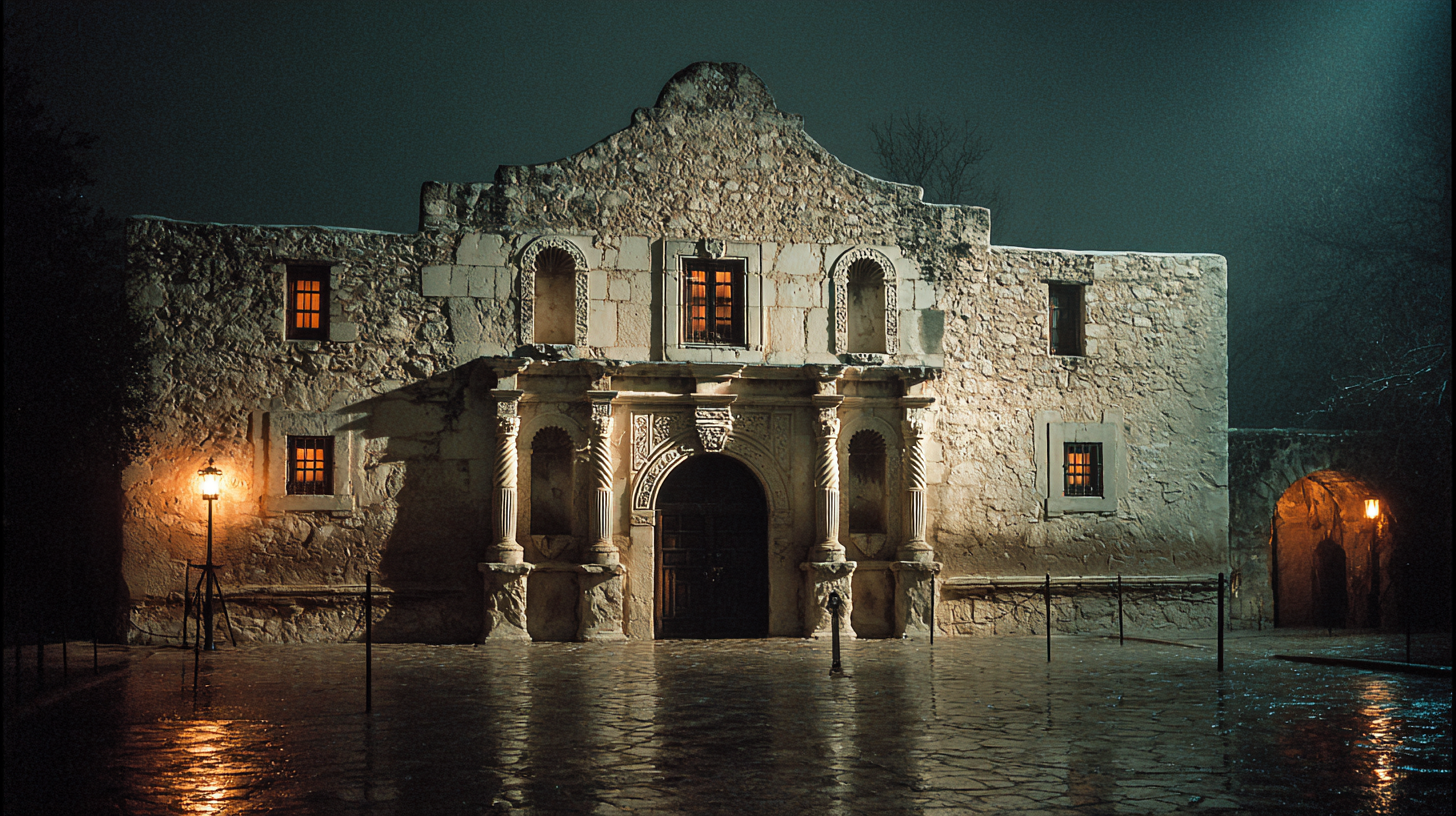
Hometown Horror: San Antonio, TX
The Alamo is daylight history—school trips, postcards, patriotism.
But at night, it’s something else: a stone throat that swallowed a siege and never learned how to stop remembering.
The Battle of the Alamo ran February 23 to March 6, 1836, ending at dawn when Mexican forces overwhelmed the defenders after a 13-day siege. That part is the clean, teachable version. The messier version is what comes after—when a place becomes less “site” and more… scar.
San Antonio locals and visitors have traded stories for generations: phantom soldiers, shadowy figures slipping where walls meet dark, footsteps that don’t belong to anyone living, and an atmosphere that turns heavy without warning. Some accounts focus on the Alamo grounds; others spill into the neighboring hotels and streets like whatever happened there didn’t respect property lines.
Whether you treat that as literal hauntings or just the psychological pressure of a mass-death landmark, the end result is the same: people leave quieter than they arrived. And in a city with plenty of loud, the silence feels… suspicious.
This is why the Alamo endures in the Mythos. Not because it’s trendy, but because it’s charged. And with March 6 looming every year, the calendar itself becomes a trigger—history reloading the chamber.
-Frank
Come back every Wednesday for a new city and a new haunted location—fresh entries, weekly, as the map grows.
Want your city featured next? Drop it in the comments. You’ll be entered for a chance to win a Hometown Horror T-shirt when we cover your hometown.
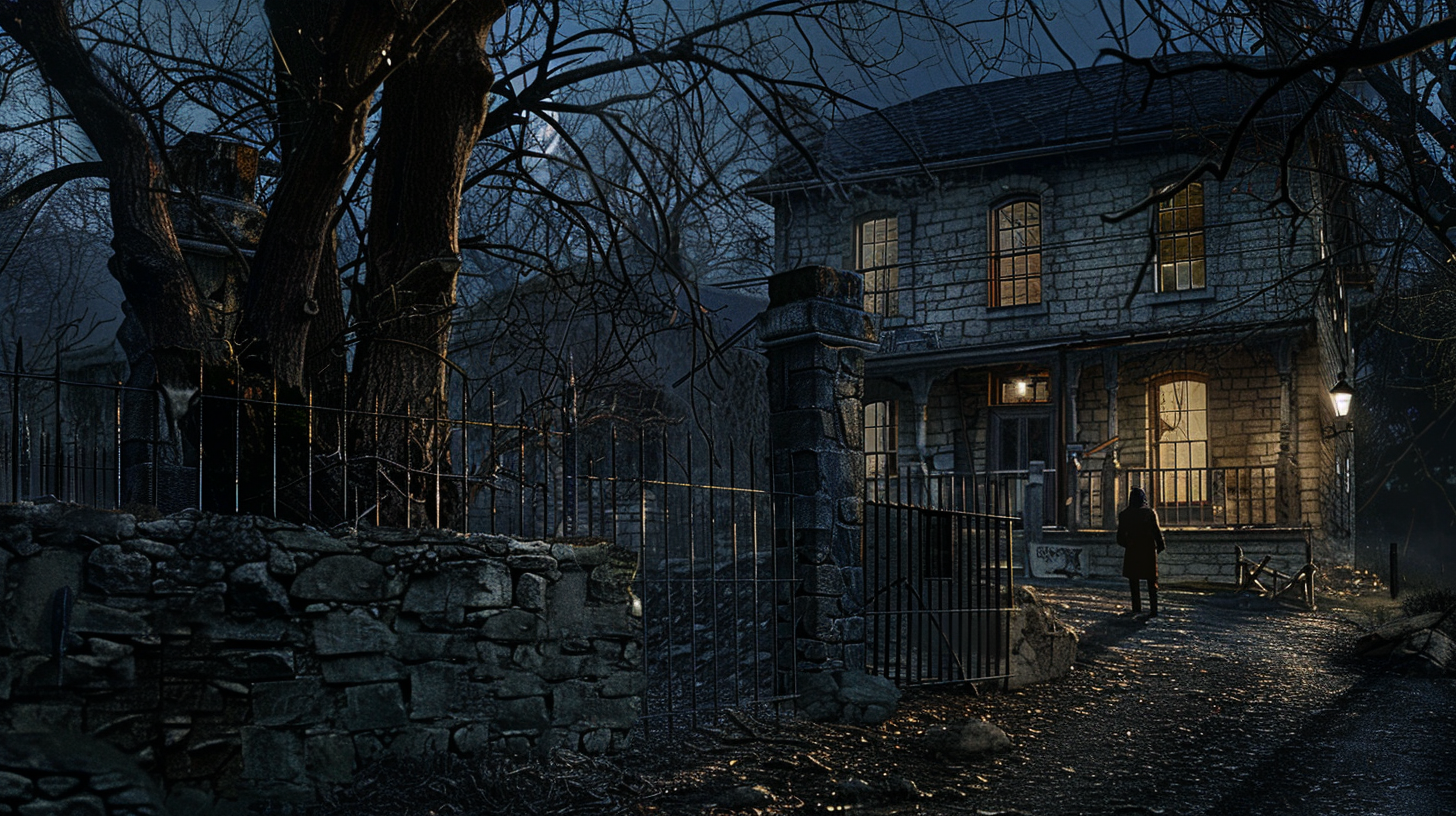
The Old Jail & Sheriff’s House — Savannah, Missouri
Authority Doesn’t Retire. It Just Lingers.
Savannah is the kind of town that survives by being overlooked. Quiet streets. Predictable routines. The assumption that nothing truly bad ever happened here — at least nothing worth remembering. And then there’s the Old Jail and Sheriff’s House, sitting there calmly, like it didn’t spend decades teaching people what power feels like when it’s absolute.
Built in the late 1800s, the structure served a dual purpose: jail below, sheriff’s family above. Which is already a design flaw. You don’t separate justice and domestic life with a staircase and expect that boundary to hold. Prisoners paced below. Children slept above. Order was enforced vertically. That kind of setup doesn’t age well.
Visitors and investigators report the usual surface-level activity — cell doors slamming, footsteps echoing, voices muttering from behind brick walls — but the more interesting accounts come from the upper floors. The sheriff’s quarters are said to feel occupied even when empty. Furniture shifts slightly. Floorboards creak in deliberate patterns. People describe the sensation of being evaluated, not threatened. Like someone is deciding whether you belong in the house… or the cell.
I don’t think this place is haunted by prisoners alone. I think it’s haunted by authority. By routine punishment. By a system that never turned itself off. The jail still feels operational, even though no one’s been booked there in decades. Some places rot when abandoned. This one stayed alert.
What makes the Old Jail unsettling isn’t fear — it’s compliance. You lower your voice instinctively. You hesitate near the bars. You feel the urge to move when you’re standing still too long. The building doesn’t need to scare you. It just reminds you that it knows where you’re supposed to stand.
Savannah doesn’t advertise this place loudly. It doesn’t need to. The jail doesn’t want attention. It wants order. And order, once learned, is hard to unlearn — even after the keys are gone.
New haunted hometowns arrive every Wednesday.
If your town has a place that still expects obedience, tell me where it is.
Power doesn’t vanish. It waits. —F.

Hometown Horror: New Orleans, LA
At 1140 Royal Street stands the LaLaurie Mansion — elegant, pale, and forever stained by what happened inside it. In April of 1834, a fire broke out in the home of socialite Delphine LaLaurie. When neighbors forced entry to help, they uncovered a scene so grotesque that even hardened 19th-century newspapers hesitated to describe it plainly.
According to reports published in The New Orleans Bee (April 11, 1834), enslaved individuals were discovered chained in the attic, subjected to prolonged torture and medical experimentation. Word spread quickly. A mob gathered. The mansion was ransacked brick by brick. LaLaurie fled the city—reportedly to Paris—leaving the structure to rot under the weight of what it had witnessed.
Nearly two centuries later, visitors still describe heavy footsteps in empty rooms, disembodied screams drifting down stairwells, and shadows crossing shuttered windows long after the gas lamps dim. In a city famous for jazz funerals and theatrical hauntings, this address feels different. It doesn’t perform. It presses.
Some buildings are beautiful.
Some are cursed.
And some simply remember.
-Frank
Come back next Wednesday for a new city and a new haunted location. The Mythos grows every week.
Want your hometown featured? Drop your city in the comments for a chance to be selected — and you’ll be entered to win a Hometown Horror T-shirt when we cover it.

Miramont Castle — Manitou Springs, Colorado
Faith Ages Poorly When It’s Forced Indoors.
Manitou Springs is the kind of town that believes proximity to nature automatically makes it enlightened. Mountains, mineral springs, spiritual tourism dressed up as wellness. And sitting comfortably above it all is Miramont Castle, a Victorian-era structure that looks like a fairytale until you remember most fairytales end badly. Built in 1895 by a Catholic priest for his ailing sisters, it was meant to be a refuge. It became a containment unit.
The castle has served as a private residence, a sanatorium, a seminary, and eventually a museum. That many institutional identities in one structure isn’t versatility—it’s instability. Visitors report shadow figures moving through the halls, doors opening without explanation, and a recurring sensation of being corrected when they linger too long in certain rooms. The chapel, in particular, carries weight. People feel watched there—not judged, just monitored. That distinction matters.
One of the more persistent presences is believed to be a woman in Victorian dress seen near the staircases and upper floors. She doesn’t interact. She doesn’t perform. She observes. Staff members have reported footsteps pacing above them when the building is closed, and the sound of voices echoing through rooms that were designed for prayer, not conversation. Miramont doesn’t replay trauma—it enforces order. Even in death.
I don’t think Miramont Castle is haunted because of suffering alone. Plenty of places suffered and moved on. I think it’s haunted because it was built around expectation. Moral discipline. Physical confinement disguised as care. When you compress obedience into architecture long enough, it doesn’t dissolve when the occupants leave. It becomes structural.
The unsettling thing about Miramont isn’t the ghosts—it’s how reasonable everything feels while you’re there. Calm. Controlled. Reverent. And then you leave, and your body realizes it was holding tension the entire time. The building doesn’t chase you. It doesn’t need to. You complied while you were inside.
New haunted hometowns arrive every Wednesday.
If your town has a place that confuses restraint with virtue, tell me where to look.
Some sanctuaries are just quieter prisons. —F.


Sanatorium Hill — Madison, Wisconsin
When Treatment Ends but the Building Doesn’t.
Madison likes to present itself as thoughtful. Educated. Reasonable. Which is exactly why Sanatorium Hill works so well as a horror story. It doesn’t clash with the city’s self-image — it hides inside it. The hill once housed a tuberculosis sanatorium, a place built with good intentions and bad outcomes, where people were isolated “for treatment” and quietly removed from the public eye. Recovery was optional. Disappearance was not.
The building itself is gone now, which is convenient. What remains is worse. Locals report footsteps on paths that lead nowhere, voices carried on the wind when the trees are perfectly still, and the persistent sensation of being followed uphill — not aggressively, just… patiently. People don’t describe fear so much as correction. Like they’re somewhere they forgot they weren’t supposed to be anymore.
This wasn’t a place of violence. It was a place of management. Patients were kept away from families, routines enforced, emotions minimized. That kind of environment doesn’t explode into hauntings — it condenses. Over time, the hill learned what the building was built for: containment. And when the structure was torn down, the function stayed. You don’t demolish purpose. You relocate it.
Walk the trails near dusk and the forest behaves differently. Sounds flatten. Distances feel misjudged. Some say they smell antiseptic. Others swear they hear coughing just beyond the trees, rhythmic and controlled, like someone trained themselves not to be loud. No apparitions. No spectacle. Just the unmistakable sense that the hill is still doing its job.
Sanatorium Hill doesn’t want attention. It wants compliance. Move along. Don’t linger. Don’t ask questions. Madison is very good at pretending this is normal. The hill is very good at reminding you it isn’t.
New haunted hometowns arrive every Wednesday.
If your town has a place everyone agrees not to talk about, tell me where it is.
Erasure is just another form of preservation. —F.

The Five Fishermen — Halifax, Nova Scotia
Some Buildings Learn What You’re Made Of.
Halifax doesn’t posture. It doesn’t need to. It has the Atlantic, centuries of loss, and a climate that encourages people to mind their business. Which is why The Five Fishermen is so effective as a haunting. It doesn’t announce itself. It doesn’t need a legend to prop it up. The building simply carries weight—and if you’re paying attention, it lets you feel it.
Before it was a restaurant, it was a funeral home. Not symbolically. Literally. Bodies were prepared here, including victims recovered from the Titanic disaster. That’s not folklore; that’s documented history. The problem with places like this isn’t the tragedy itself—it’s the continuity. The building never stopped being a place where endings were processed. It just changed the menu.
Staff report voices where there shouldn’t be any, doors opening and closing on their own, and the unmistakable sensation of being followed through empty rooms. Not threatened. Followed. Plates shift. Glassware rattles. People feel hands on their backs when no one is there. There’s also a recurring detail I find more interesting than the usual theatrics: employees say the activity gets worse when the building is quiet. As if whatever’s there prefers privacy.
I don’t believe the Five Fishermen is haunted because of the Titanic. That’s too easy, too cinematic. I think it’s haunted because it was designed to be transitional. A place between states. Between living and dead. When you build something to hold grief long enough, it doesn’t evaporate—it settles. And when you repurpose that space without acknowledging what it was built to do, you don’t erase the function. You just confuse it.
There’s a reason the activity isn’t aggressive. Whatever remains here doesn’t need to scare you. It already knows how fragile you are. The building has seen worse. You’re just another warm body passing through, briefly convincing yourself that history stays where it belongs.
New haunted hometowns arrive every Wednesday.
If your city has a place that feels heavier than it should, tell me where to look.
Some rooms don’t forget what they were built for. —F.

Helen’s Bridge — Asheville, North Carolina
Some Grief Doesn’t Stay Where You Leave It.
Asheville sells itself as charming. Mountain air, old stone, creative energy. That’s fine. What it doesn’t advertise is Helen’s Bridge — a narrow, moss-covered span tucked into the woods like it’s trying not to be found. You don’t stumble onto it by accident. You end up there because curiosity beat judgment, and now you’re negotiating with the dark.
The story everyone tells is tidy: a woman named Helen lost her child in a fire, lost her mind shortly after, and hanged herself from the bridge. People say if you call her name at night, she answers. Children cry. A woman appears. It’s a narrative designed to be repeated. The problem is the behavior of the place doesn’t match the script. Visitors report pressure changes, cars stalling, sudden nausea, and the sensation of being evaluated — not haunted, not followed, but measured. That’s not grief. That’s presence.
Locals claim scratch marks appear on cars parked nearby. Some swear handprints show up on windows, too small to belong to adults. Others say the bridge hums — not audibly, but internally, like your nervous system picked up a frequency your ears can’t. The woods around it go quiet in a way that feels intentional. No birds. No wind. Silence with posture. The kind that makes you aware of how much noise you make.
I don’t think Helen’s Bridge is about a woman or a child. I think it’s about convergence — grief, ritual, repetition. People go there expecting something to happen, and expectation is fuel. Call a name into the dark enough times and eventually something answers. The bridge doesn’t demand belief. It rewards attention. And attention, in places like this, is a form of consent.
Asheville may dress this site up as a ghost story, but bridges have always been thresholds. Crossings. Agreements. You don’t visit Helen’s Bridge to learn what happened there. You visit to see what still responds. And if you’re smart, you don’t stay long enough to find out why.
New haunted hometowns arrive every Wednesday.
If your town has a place people avoid without admitting why, tell me.
Some legends survive because they’re still useful. —F.
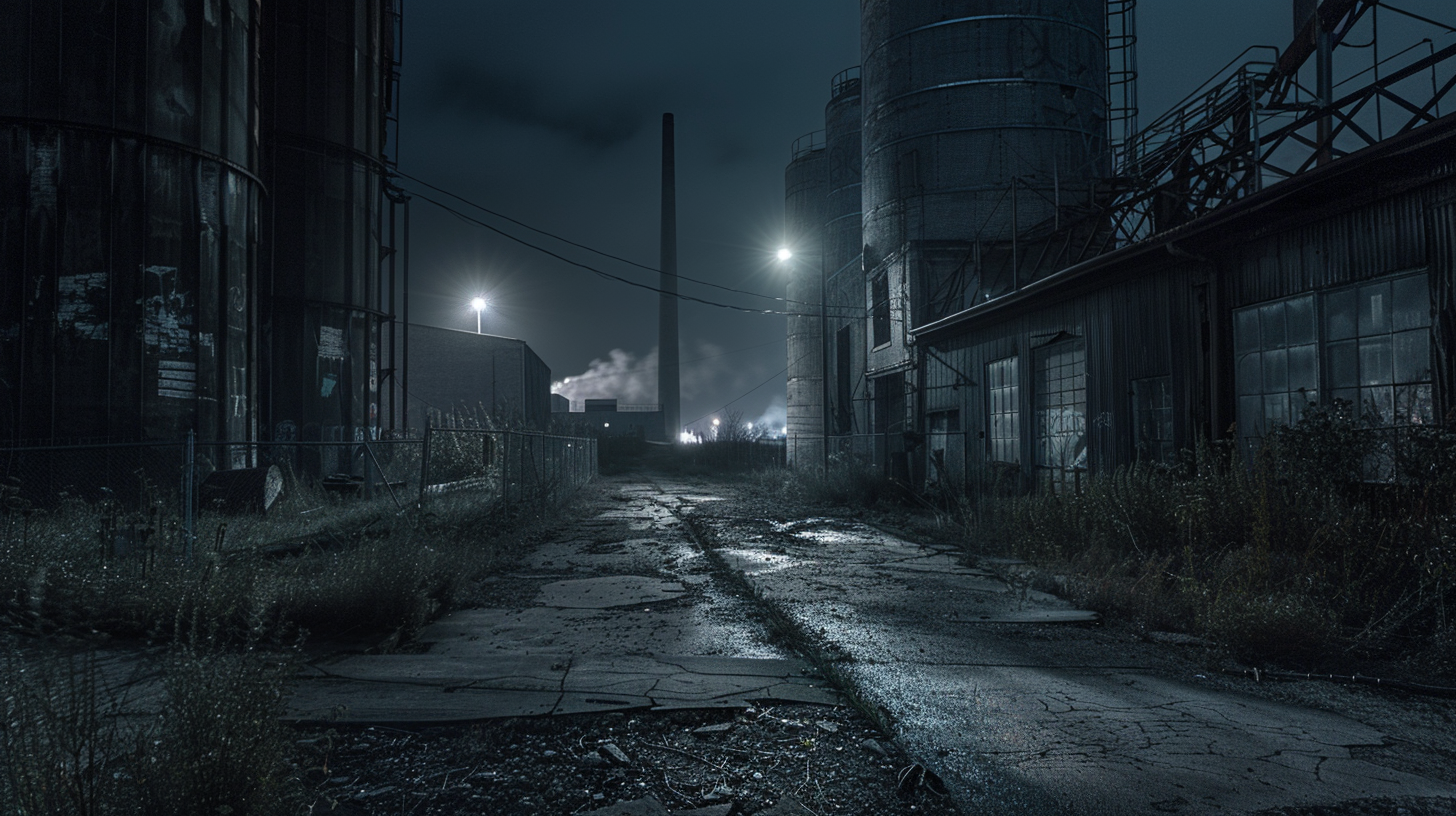
Hometown Horror: Villa Park, Illinois
Villa Park is one of my hometowns. I grew up about a block away on Myrtle Avenue, close enough to the old Ovaltine Factory that it became part of the mental landscape. When something massive and industrial exists that near you for long enough, you stop seeing it as abandoned. You start seeing it as unaddressed.
In the early ’90s, I got a telescope for Christmas. The kind of gift that’s supposed to open the universe to a kid. I couldn’t see stars—light pollution, cheap optics—but I did see something else: lights on inside the factory. Regular lights. On multiple floors. This was a building everyone agreed was abandoned. My parents didn’t debate it. They called the police. The response we got was unsettlingly casual: there were possibly homeless individuals inside, maybe starting fires. That explanation didn’t fit what I saw. Fires flicker. These were lights—deliberate, consistent, architectural.
A few months later, Villa Park residents received a community alert. Satanic rituals were reportedly being performed in the building. Police followed up through different channels over time, confirming arrests and prosecutions involving people bringing animals into the factory for sacrifice. This wasn’t a single rumor mutating online—this was law enforcement, repeatedly, saying yes, something is happening in there. Around the same time, the town’s underground mythology surfaced again: stories of rituals, symbols, and a ghost said to belong to a boy stabbed in the underground catacombs rumored to run from the Ovaltine Factory to York High School in Elmhurst.
I don’t pretend to know how much of that is literally true. I do know how memory works. I know how communities behave when something doesn’t fit the model they’re comfortable with. The factory didn’t decay theatrically. It endured. People who explored it later reported shadows moving where light couldn’t reach, footsteps echoing through sealed sections, and a low mechanical hum long after power was officially dead. No screams. No pleading apparitions. Just motion without permission. Activity without a narrative.
What makes the Ovaltine Factory disturbing isn’t the idea of ritual or ghosts—it’s the pattern. Lights where there shouldn’t be lights. Stories that didn’t come from one source but many. Police involvement that never fully resolved the situation, just contained it. Growing up that close, you don’t romanticize it. You internalize it. You learn early that some places persist beyond purpose, and when they do, they don’t go away—they get used.
Villa Park likes order. Predictability. Clean explanations. The factory never offered one. It just stood there, adjacent to normal life, daring everyone to keep walking past it. And most people did. That’s the real lesson. Not that something evil lived there—but that everyone learned how not to look.
New haunted hometowns arrive every Wednesday.
If you want me to examine your town the same way, say the word.
What we normalize is usually the problem. —F.
Morris Hill Cemetery — Boise, Idaho
When the ground remembers louder than the people above it.
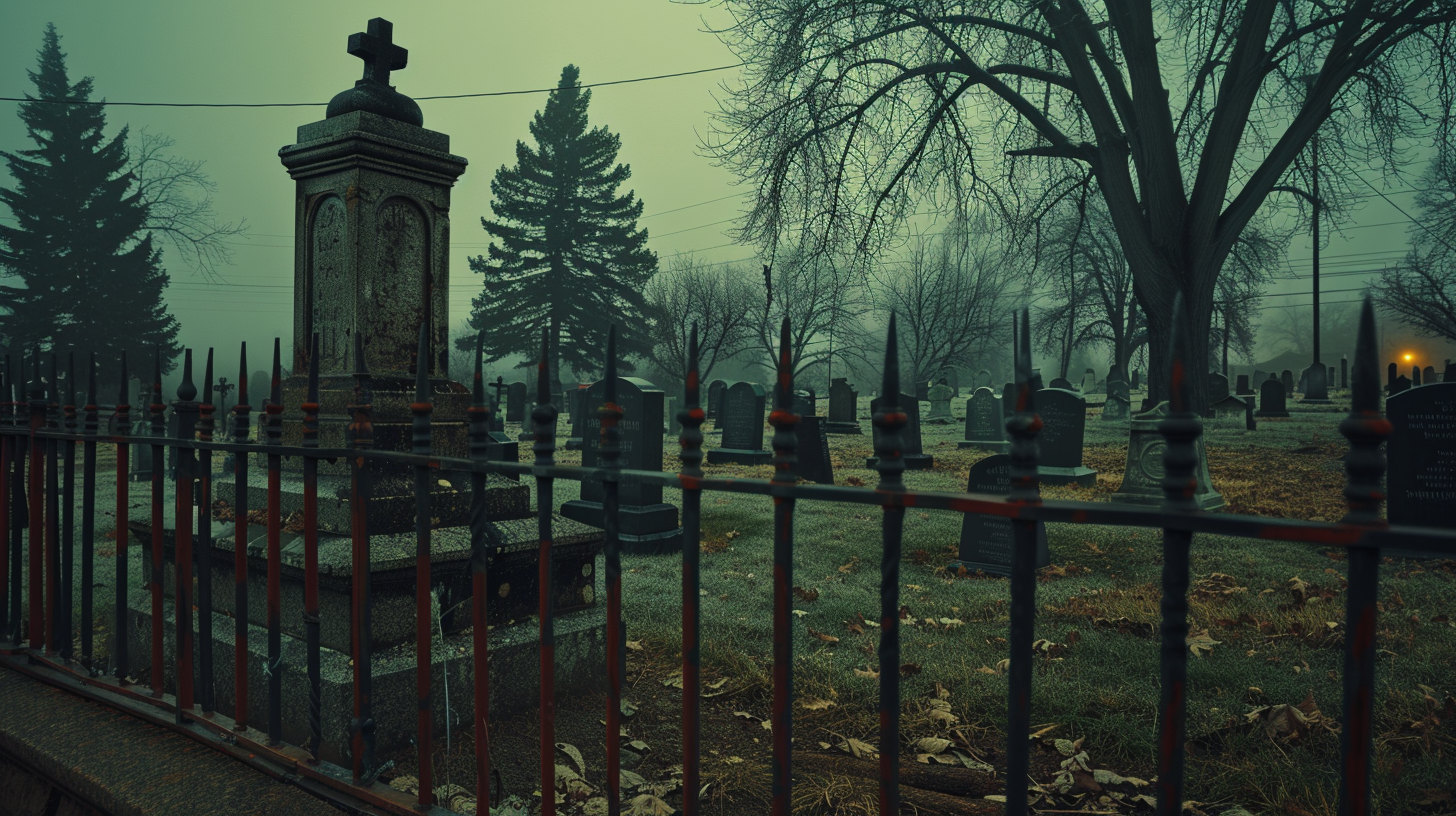
Boise isn’t the kind of place you expect nightmares from—nice weather, mountain backdrop, tourists with cameras. But that’s exactly why Morris Hill Cemetery throws you off. It sits like a quiet ledger of everything the city park brochures don’t mention: poisonings, rock slides, consumption, anonymous graves stacked since 1882. Idaho Haunted Houses+1 I’ve been around enough cemeteries to know when bleakness is contrived and when it isn’t. This one isn’t pretending.
The trees hang low. The road around the older section creaks like it remembers footsteps that never stopped. Visitors report odd sensations—a breeze when there shouldn’t be one, a cricket-sized insect that hops at your heel so precisely it feels like reconnaissance. Idaho Haunted Houses+1 One ghost-hunter claimed his REM pod triggered so much he thought it broke. The detail that screws with me most? The cemetery doesn’t seem haunted by tragedy. It’s haunted by frailty. The dead died quietly, horribly, and still no one marketed the hell out of it.
What makes a place truly unsettling isn’t the scream—it’s when something accepts its job and never clocks out. Morris Hill is like that. No dramatic apparitions, no bold flickers of light—just persistent omission. A mother buried in a fenced grave, later someone’s photo proves she was there taking pics…and started crying uncontrollably. Idaho Haunted Houses+1 You see the pattern: death by neglect and decay, not by spectacle. It respects no closure. It’s simply there. Waiting.
I don’t believe in hauntings because of ghosts. I believe in places that treat people like data points. This cemetery isn’t active because the dead won’t rest—it’s active because the living haven’t left. The caretakers, the tourists, the kids taking prom pics among iron fences—they all feed it. And it feeds back. If you wander that ground at dusk, you may feel eyes on your back. It’s not watching you because it hates you. It’s watching because you should feel watched. Indifference is worse than malice.
New haunted hometowns every Wednesday.
You think your town hides something worse? Let me know.
Comfort is a lie the living tell themselves. —F.
The Witch’s Castle — Portland, Oregon
Where Irony Outlived the Architect.
Full disclosure: I’ve never been to Portland. But from what I’ve seen, I’d probably hate it. The whole “look how weird we are” branding feels like performance art that ran too long without a director. A city run by people who think self-awareness counts as substance. The kind of place where irony is currency, and everyone’s allergic to sincerity. Oregon itself, though — that’s a different story. The state is beautiful. Real forests. Real silence. Places that don’t feel the need to tweet about it.
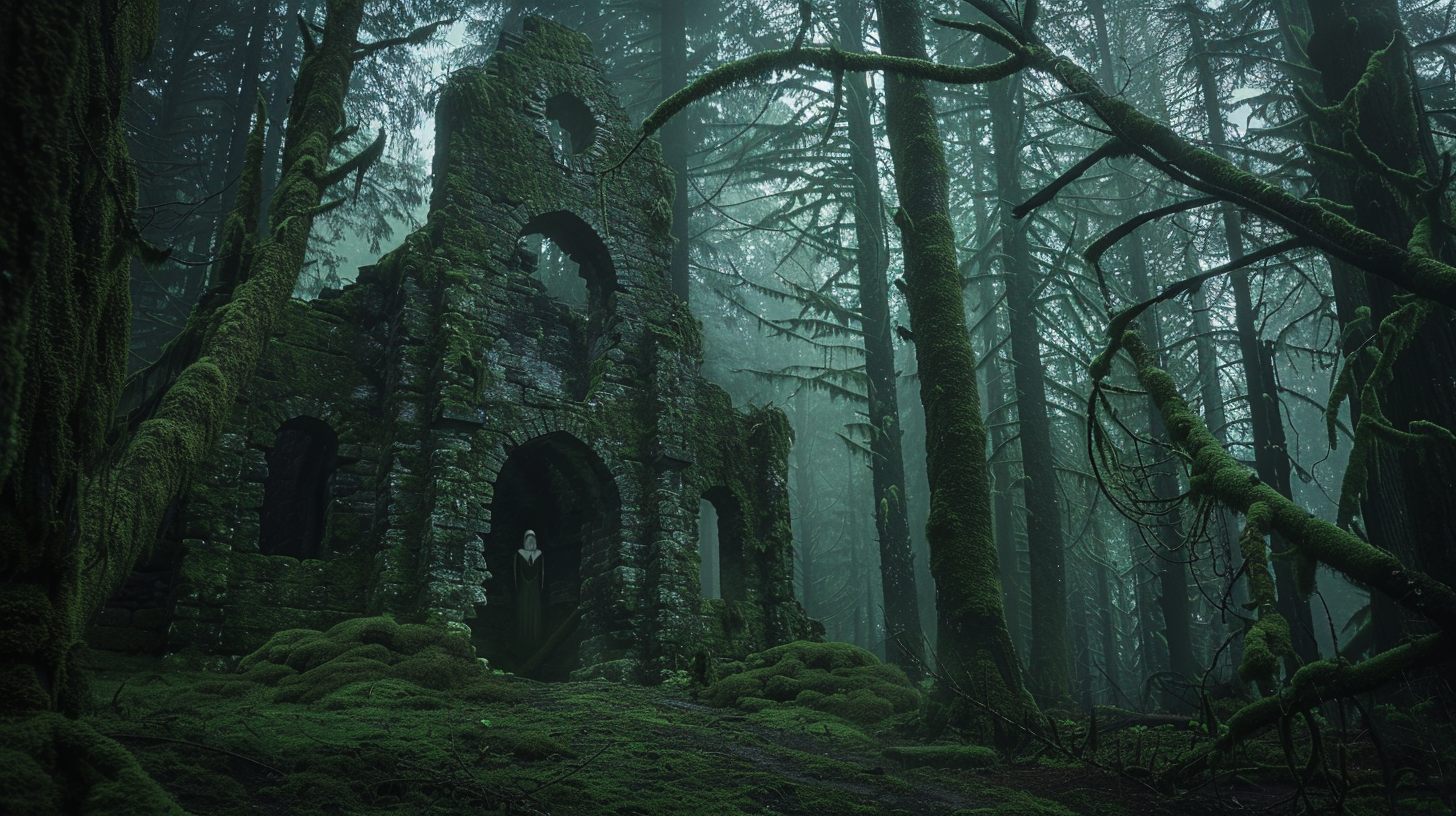
And hidden in one of those forests is The Witch’s Castle — a moss-drenched ruin in Forest Park that manages to be creepier than the entire city it hides under. Officially, it’s the remains of an old stone house built in the 1800s, tied to a family murder that metastasized into legend. But unofficially, it’s where Portland’s bored wanderers go to cosplay darkness. The irony is that they’re right — the place is dark. Just not the kind you can hashtag.
Locals report laughter in the trees, footsteps pacing the edge of the clearing, and whispers that follow long after the trail ends. The deeper you go, the colder it gets, as if the ruin is stealing heat just to keep something alive down there. The architecture feels predatory — narrow corridors, vanishing corners, doorways that look too intentional for a ruin. The story everyone repeats — a witch, a curse, a vengeful spirit — is the least interesting part. The real danger is how the forest behaves like it’s tired of accommodating visitors.
I don’t believe in witches. I believe in territory. Some places reject intrusion. The Witch’s Castle doesn’t need to scare you — it just lets you know you’re irrelevant. It’s the opposite of Portland itself: completely devoid of self-importance. Just quiet, ancient resentment covered in moss.
New haunted hometowns every Wednesday.
If your town hides something better, I’ll find it.
Some places fake depth. Others bury you in it. —F.
Casey Moore’s Oyster House — Tempe / Phoenix, Arizona
The Kind of Haunt That Still Takes Reservations.
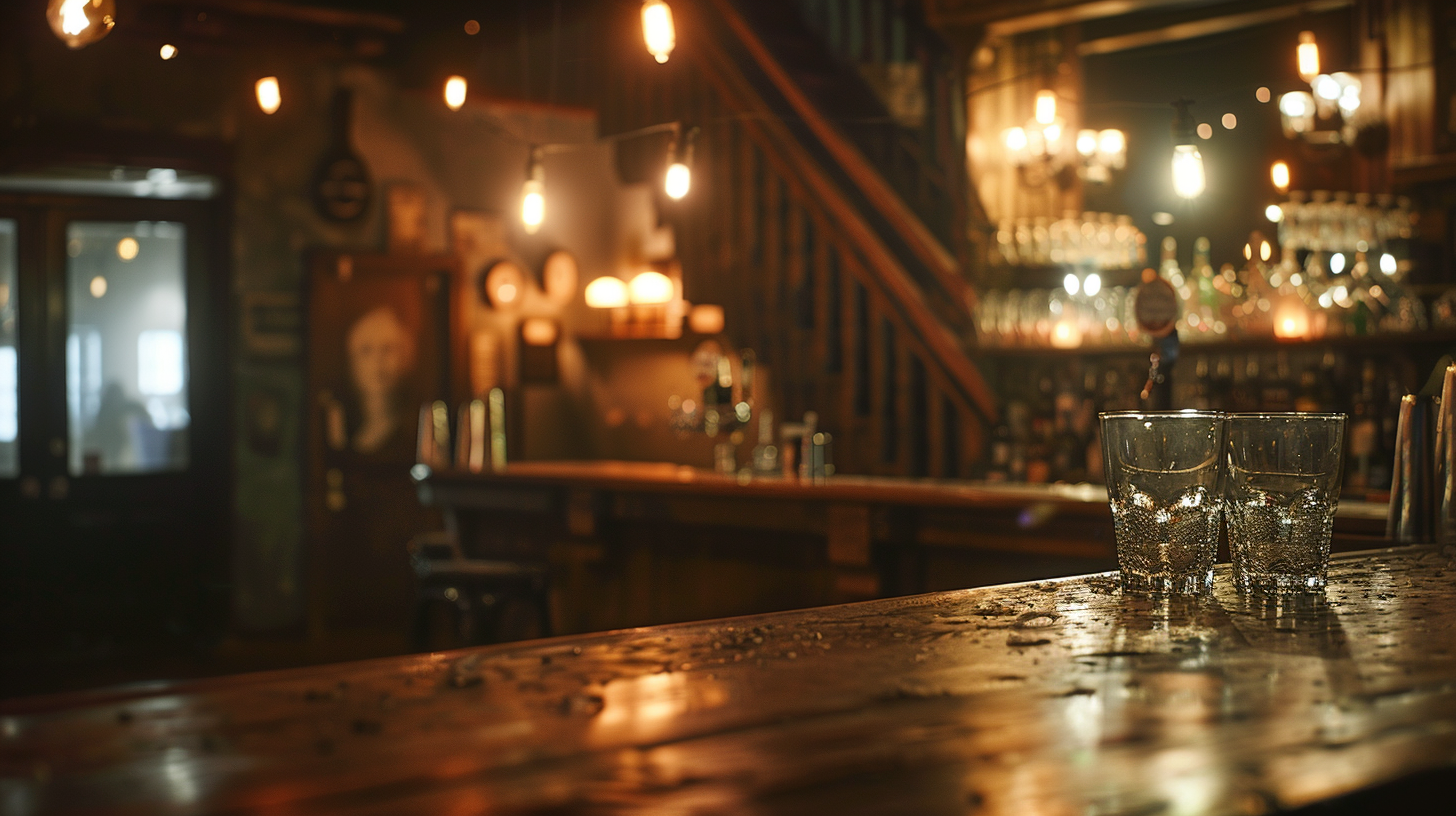
Phoenix doesn’t do haunted castles or foggy forests — it does sunlight, stucco, and denial. Which makes Casey Moore’s Oyster House an anomaly. The place has survived decades of college drunks, professors, and hangovers, but ask any employee who’s stayed after close, and they’ll tell you the same thing: the bar doesn’t like being empty.
The story goes that a young woman was murdered upstairs decades ago, back when the place doubled as a boarding house. But the evidence isn’t neat — just fragments of testimony, whispered jokes, and the occasional guest who felt a hand on their shoulder when the room was vacant. Glasses clink. Chairs drag. Light fixtures sway. Nothing cinematic. Just small, mechanical signals that something upstairs hasn’t accepted the end of its shift.
I’ve been to Casey’s. It feels normal, which is exactly the problem. The air is too still, the rooms too symmetrical. There’s a faint pressure, as if the walls are listening. Staff claim to hear arguments after midnight — quiet but deliberate, like a couple revisiting the same fight on loop. Some say it’s residual energy. Others say it’s the house keeping conversation alive. Both theories underestimate how patient the dead can be when they have tenure.
The best stories aren’t the violent ones. They’re the places that simply refuse to stop functioning. Casey’s doesn’t want attention. It wants participation — new voices, new movements, anything to keep the sequence unbroken. A haunting disguised as continuity. And that’s what makes it dangerous: it feels welcoming right up until it starts answering back.
New haunted hometowns every Wednesday.
Comment your city — maybe your ghosts want to be seen.
Never assume the living run the establishment. —F.